The Shift Toward Lightweight Vehicle Construction
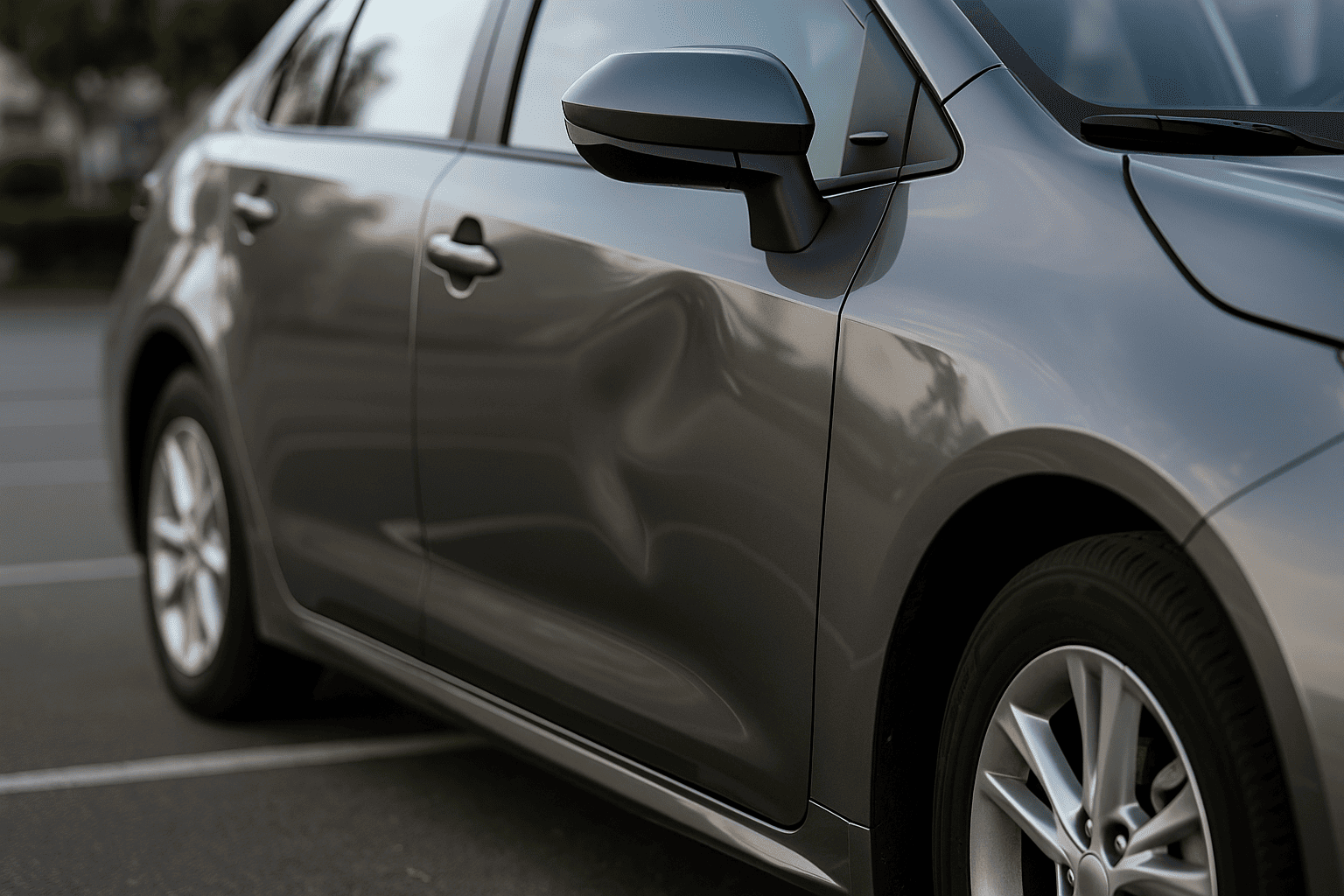
If you’ve ever wondered why newer cars seem to dent more easily than older models, you’re not imagining it. Modern vehicles are designed with lighter, thinner materials to improve fuel efficiency and meet stricter environmental standards. While this helps reduce weight and increase gas mileage, it also makes panels more vulnerable to dents from small impacts like shopping carts, hail, and door dings. For many drivers, this means more frequent dent repairs—and a growing reliance on paintless dent repair services.
Thinner Metal Means More Flexibility
Automakers commonly use thinner steel and aluminum in doors, fenders, and hoods. These materials are engineered to be strong but flexible, allowing them to absorb impact energy in a collision. However, this flexibility also makes them more susceptible to minor dents from everyday situations.
Why Thinner Panels Dent More Easily
- The surface is less rigid
- Metal flexes on impact rather than resisting it
- Pressures from small objects leave visible indentations
- Aluminum panels, though strong, can deform easily
Because these materials retain their shape without cracking paint, they’re ideal for paintless dent repair.
Aerodynamic Designs Create Weak Spots
Modern vehicles are designed with sleek contours to improve aerodynamics. These flowing shapes help increase efficiency, but the curves and thinner edges of panels also create areas more prone to denting. Body lines, door curves, and sculpted fenders can bend more easily under light impact.
Common Dent-Prone Areas
- Door curves
- Front fenders
- Quarter panels
- Hood edges
- Roof edges during hailstorms
These areas often respond very well to PDR because the paint remains intact, making repairs fast and cost-effective.
Parking Lots Pose New Challenges
Today’s vehicles are often larger, while parking spaces have stayed the same—or have gotten even narrower. This leads to more tight squeezes, door dings, and minor bumper bumps. Shopping carts, car doors, and careless parking habits increase the risk of dents even when drivers are being careful.
Everyday Causes of Modern Dents
- Tight parking spots
- Rogue shopping carts
- Car doors swinging open
- Bumping into posts or curbs
- Kids’ bicycles or toys in the driveway
For quick, clean repairs, drivers often turn to Un-Dent’s mobile PDR services for on-site convenience.
Aluminum Panels Change the Repair Landscape
Many modern vehicles feature aluminum hoods and panels. Aluminum is strong, corrosion-resistant, and lightweight—but it behaves differently from traditional steel. Aluminum dents more sharply and can be harder to reshape without the proper tools and expertise.
Why Aluminum Makes PDR More Important
- Aluminum stretches differently under impact
- Repairs require specialized tools
- Heat is often needed to manipulate metal
- Skilled technicians achieve the best results
Un-Dent’s technicians are trained to work with both steel and aluminum, making PDR an excellent option for newer vehicles.
PDR Is the Ideal Solution for Modern Dents
Because modern vehicles are built with materials that dent more easily while still keeping their paint intact, PDR has become the preferred repair method. It preserves the original factory paint, avoids fillers or repainting, and keeps the vehicle’s value intact.
Benefits of Paintless Dent Repair
- Fast repairs, often in under an hour
- No sanding, fillers, or repainting
- Maintains resale and trade-in value
- Environmentally friendly process
- Mobile service options for convenience
PDR is perfectly suited for the way modern cars are manufactured today.
For more information, please call the office at 772-979-0468 or visit their website https://undentinc.com.